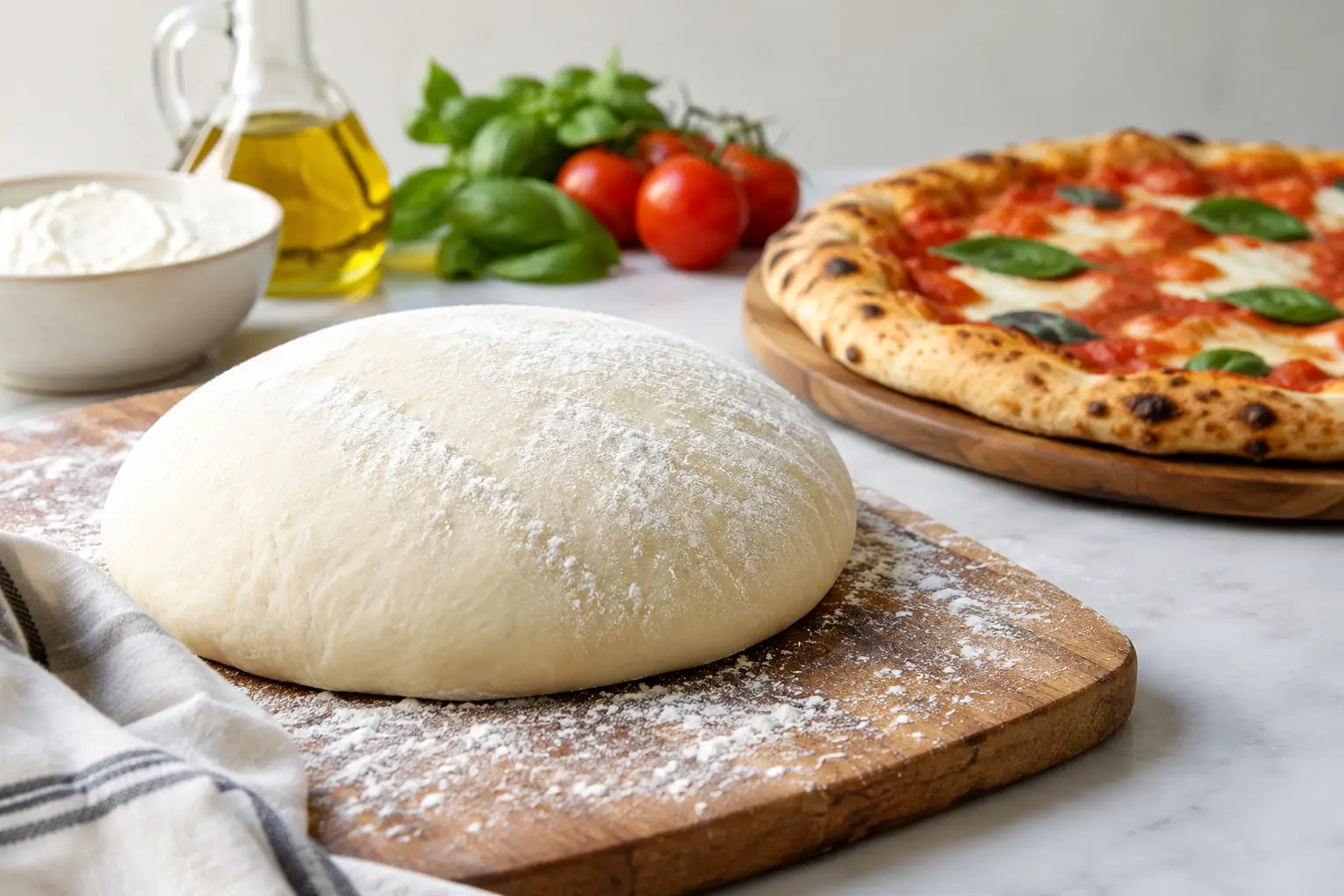
A great pizza announces itself before the first bite. The crust has a warm, baked aroma. Its edge is bronzed and lightly crisp. The center has enough structure to hold the toppings without feeling stiff. Those fresh dough benefits are not marketing language or a minor kitchen detail. They are the foundation of a pizza worth sitting down for with a cold drink, good company, and a little time to enjoy it.
For a neighborhood tavern, dough made fresh is where the work starts each day. It affects the way a pie stretches, bakes, tastes, and holds up from the first slice to the last. Whether you keep it classic with pepperoni or go for something bolder like Buffalo Chicken, the crust should make every topping taste like it belongs there.
Fresh Dough Benefits Start With Better Texture
Fresh dough gives pizza the contrast people crave: a crisp bottom, a tender interior, and a satisfying chew around the outer edge. That balance comes from dough that has been mixed, rested, and handled with attention rather than treated like a frozen delivery system for toppings.
As dough rests, yeast produces gas that helps create small pockets of air throughout the crust. In a hot oven, those pockets expand. The result is a lighter bite with character, not a flat, bready slab that leaves every slice feeling heavy. The crust can still be substantial enough for tavern-style toppings, but it has a little lift to it.
Texture also changes as the pizza cools. A well-made fresh crust stays enjoyable after it leaves the oven. It should not turn tough the moment it hits the table or collapse under a layer of sauce and cheese. That matters when friends are sharing a few pies, deciding whether the next slice is a classic or a specialty order.
The Flavor Is More Than Flour and Water
Dough may begin with simple ingredients, but time and technique give it personality. As it rests, fresh dough develops a subtle savory flavor that supports the sauce, cheese, vegetables, and meats on top. It is not supposed to compete with a house red sauce or a favorite topping. It gives those ingredients a better place to land.
That is especially noticeable with pizzas that bring bigger flavors. Salty pepperoni needs a crust that can round out its richness. Buffalo Chicken benefits from a dough that keeps the heat from taking over. Sweet and savory combinations, like pineapple and ham, feel more balanced when the crust has a baked depth of its own.
Fresh dough also carries the aroma of the oven in a way pre-baked or heavily processed crusts often cannot. The browned edge, toasted flour notes, and gentle yeastiness make a pizza smell as inviting as it tastes. When the first pie reaches the table, that aroma is part of the experience.
Why Fresh Dough Handles Toppings Better
A good pizza has to do practical work. It has to support sauce, cheese, and toppings while staying pleasant to pick up and eat. Fresh dough gives the kitchen more control over that job because it can be stretched to the right thickness and shaped for the style of pie being made.
Too thin, and a loaded slice can become floppy. Too thick, and the crust can overwhelm the ingredients. Fresh dough makes it easier to find the middle ground: enough strength for a generous topping combination, enough tenderness that the crust still feels like part of the pizza rather than an afterthought.
That flexibility matters across a full menu. A simple cheese pizza needs an even crust that lets the sauce and cheese shine. A Pepperoni Pickle pie needs a base that can stand up to bright, tangy flavors. A meatier specialty pizza needs enough structure to stay balanced from the center to the rim. One carefully prepared dough can meet those needs because it is handled for the pie in front of the cook, not pulled from a box in a one-size-fits-all shape.
Fresh Dough Benefits the Whole Table
Pizza is rarely just about one person ordering one thing. It is dinner after work, a family meal, a round of drinks with friends, or an easy answer when a group cannot agree on anything else. Fresh dough improves that shared experience because every slice feels intentional.
It also gives the meal more range. Start with garlic knots and you get the same warm, baked comfort in a form made for passing around. Pair a pie with a salad and the crisp, chewy crust keeps the meal from feeling overly rich. Add a bourbon, a beer, or another cold drink, and the pizza has enough flavor and texture to hold its own at a tavern table.
At Declaration Tavern, fresh dough made daily helps bring that balance to the menu. It is the common thread between familiar favorites and inventive pies, giving guests a dependable base for whatever they are in the mood to order.
Fresh Does Not Mean Rushed
There is a difference between dough that is fresh and dough that is hurried. Fresh dough needs time to rest, so its gluten can relax and its flavor can develop. If it is used too soon, it may fight back when stretched, bake unevenly, or produce a tighter, denser crust. If it sits too long without careful handling, it can become overly soft or develop a stronger flavor than the pizza calls for.
That is why daily dough preparation matters. It is a rhythm: mix it, portion it, let it rest, and use it at the right point. The goal is not to make dough complicated. The goal is to make every pie consistent enough that regulars know what they are coming back for.
Fresh is not automatically better in every possible pizza style, either. Some doughs are intentionally aged longer for a more pronounced fermented flavor, while others are designed for a quick, soft, straightforward crust. The right choice depends on the kind of pizza being served. For a flavorful, crowd-friendly tavern pie, daily fresh dough offers a sweet spot of lightness, chew, and dependable flavor.
What to Look for in a Fresh-Dough Pizza
You do not need to stand in the kitchen to recognize the difference. Look at the edge first. It should have some color and a little irregularity from stretching and baking, not look pale or perfectly uniform. Pick up a slice. A little bend is normal, especially with a generous amount of cheese, but the crust should not feel soggy or lifeless.
Then take a bite of the outer crust on its own. It should taste like more than a handle. A good fresh crust has a gentle chew, a toasted finish, and enough flavor to make you want another bite before you even get back to the toppings.
The best test is simple: when the pizza is gone, do people talk about ordering another pie? Fresh dough cannot replace good sauce, quality cheese, or thoughtful toppings. But it makes all of them work harder together. Next time the table is deciding between one more round of drinks or one more pizza, let the crust make the case.
Leave a Reply