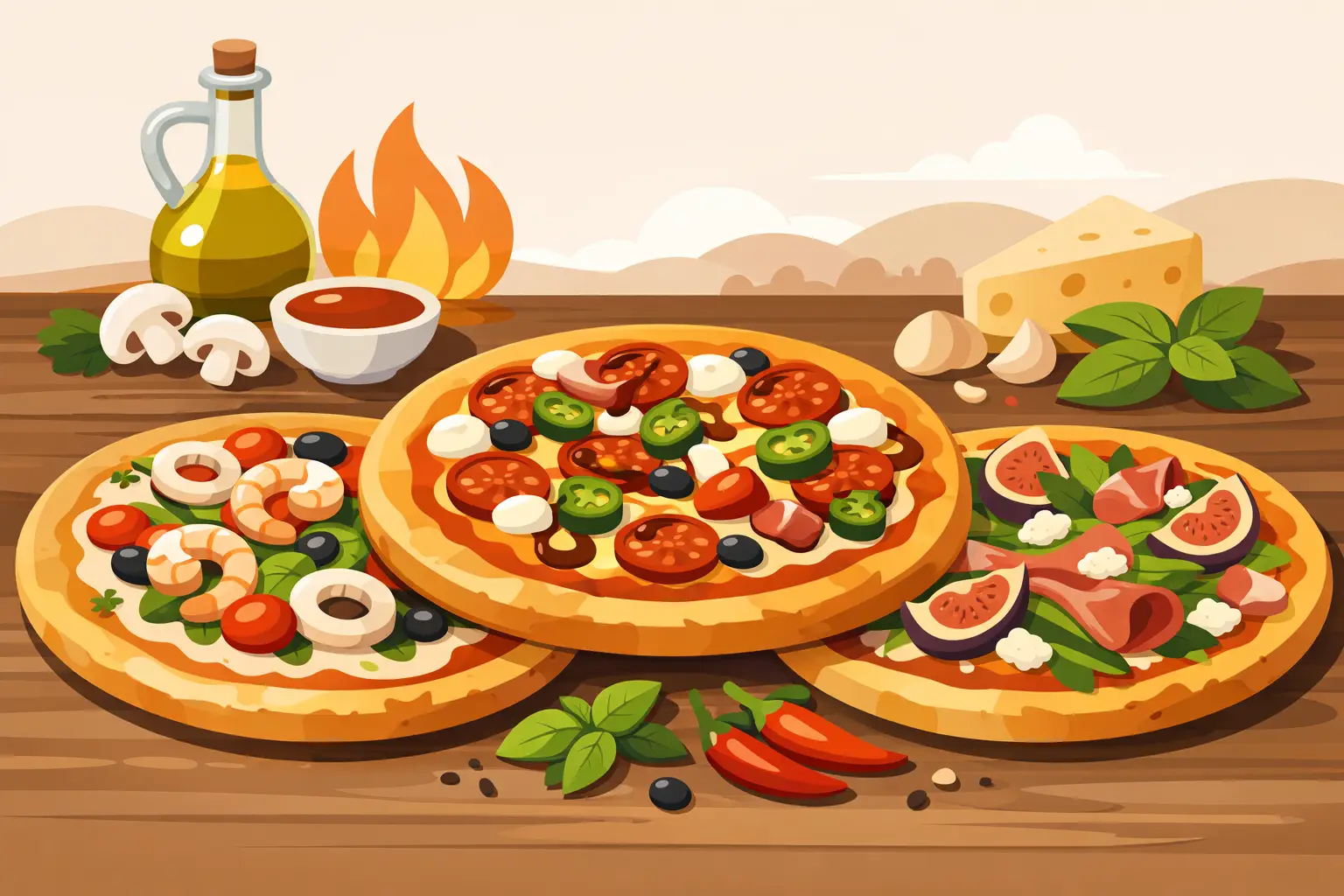
Some pizzas are easy to call. Pepperoni, sausage, maybe mushrooms, and you are done. But specialty pizza flavors are where a pizza place really shows its hand. They tell you whether the kitchen understands balance, whether the dough can carry bold toppings, and whether the menu was built for people who actually like to eat, not just scroll.
At a good neighborhood tavern, a specialty pie should feel exciting without getting gimmicky. You want something with personality, but you also want a slice that still eats like pizza. That line matters. Too many toppings can turn a pie heavy. Too much sauce can bury the crust. A strong flavor idea without the right build falls apart after the first slice.
What makes specialty pizza flavors work
The best specialty pizzas are built around contrast. Rich needs sharp. Salty needs sweet. Heat needs something cool or tangy to keep it moving. When a pie works, every ingredient has a job, and no single topping takes over the whole bite.
That starts with the crust. Fresh dough with a proper bake gives the pizza structure and chew, which matters even more when the toppings are bolder than a standard cheese pie. If the crust is weak, a loaded pizza turns floppy fast. If the crust is too thick or dry, it can make the toppings feel disconnected. Specialty pies need a base that holds up and still tastes good on its own.
Sauce matters just as much. House red sauce gives a pie brightness and a little sweetness, but not every specialty combination needs the same foundation. Buffalo chicken is a different experience from a Hawaiian-style pie because the sauce changes the whole direction of the slice. Some combinations want tomato for acidity. Others need a lighter hand so the toppings can lead.
Then there is the cheese. It should bring the whole pie together, not act like a blanket over everything else. A specialty pizza with pickles, hot sauce, pineapple, bacon, or chicken already has a lot going on. Cheese should support texture and richness without muting the personality of the pie.
Specialty pizza flavors that actually deliver
Not every creative topping combination deserves a permanent spot on a menu. The ones that last usually do one thing well – they make immediate sense after the first bite.
Pepperoni Pickle
This is the kind of pie that sounds unexpected until you eat it. Pepperoni brings fat, spice, and crisp edges. Pickles bring acidity and crunch. Together, they cut through each other in a way that keeps the pizza from feeling too heavy.
The trick is restraint. Too many pickles and the pie gets watery or overly sharp. Too few and you miss the point. When the balance is right, you get a bright, salty, savory slice that feels built for another bite. It is a strong pick for people who like classic pepperoni but want something with more pop.
Buffalo Chicken
Buffalo chicken is one of the most dependable specialty pizzas because the flavor profile is already proven. Heat, tang, chicken, cheese – there is a reason people keep ordering it. But there is still a big difference between an average buffalo chicken pizza and one that is worth coming back for.
The sauce should have real vinegar tang, not just blunt heat. The chicken should be seasoned and generous without drying out. And the pie needs enough richness from cheese or drizzle to round it out. If everything leans spicy with no contrast, the pizza gets tiring. When it is done well, it tastes like game day food that grew up a little.
Luau and other sweet-savory pies
Pineapple on pizza gets debated more than it deserves. What matters is whether the sweet element is balanced. On a luau-style pie with ham, bacon, or other savory meats, pineapple can bring brightness that keeps the whole slice lively.
Sweet-savory specialty pizzas work best when the salty side has enough depth to stand up to the fruit. Ham alone can sometimes make the pie too soft and one-note. Add bacon or a stronger meat, and suddenly the sweetness has something to play against. The result is not dessert pizza. It is contrast done right.
Why people order specialty pies instead of building their own
Build-your-own pizza has its place, especially if everyone at the table wants something different. But a well-made specialty pie saves you from guessing. It gives you a combination the kitchen has already tested for flavor, bake, and portion balance.
That matters more than people think. Ordering three or four toppings you like individually does not always produce a better pizza. Some toppings fight each other. Some release too much moisture. Some combinations end up rich but flat, or salty without anything to break it up. Specialty pies remove that trial and error.
They are also better for sharing. A table can agree on buffalo chicken or pepperoni pickle more easily than trying to negotiate one half with olives, one quarter with onions, and one section with no sauce. Specialty pizzas feel more intentional, which is part of the fun when you are out with friends or settling in for a casual dinner.
How to choose the right specialty pizza flavors
Start with what you usually like, then move one step past it. If you are a classic pepperoni person, go for something like Pepperoni Pickle instead of jumping straight to the busiest pie on the menu. If you like wings, buffalo chicken is an easy call. If you tend to order salty meats, a sweet-savory option can give you that same satisfaction with a little more range.
Think about who you are ordering for too. A bold specialty pie is great when everybody at the table is in the mood for it. If you are ordering for kids, mixed tastes, or a group that wants a safer middle ground, it may make more sense to pair one adventurous pizza with one classic. It depends on the occasion.
Drinks matter here too. A cold beer can sharpen spicy or salty flavors. Bourbon cocktails tend to pair better with pies that have smoky, sweet, or bacon-heavy notes. If you are dining in, the right drink can make a specialty pizza feel more complete, not just bigger.
The trade-off with bold topping combinations
More flavor is not always better. That is probably the biggest misunderstanding around specialty pizza. A pie can sound great on paper and still feel overloaded at the table. Too many wet toppings can soften the crust. Too much sweetness can wear out your palate. Too many cured meats can make every slice feel the same.
That is why editing matters. A kitchen that knows what it is doing leaves things off on purpose. The goal is not to pile on ingredients until the pizza looks impressive. The goal is to make each slice hold together, taste balanced, and stay enjoyable from first bite to last crust.
For customers, that means trusting a menu with a point of view. If a place offers a few specialty pizzas that sound distinct and well thought out, that is usually a better sign than a giant list of random combinations. Focus beats clutter.
Specialty pizza flavors in a tavern setting
There is a reason specialty pies make so much sense in a tavern. They fit the mood. You are not looking for precious food. You want something satisfying, shareable, and full of flavor that holds up with drinks and conversation.
That is also where atmosphere plays a role. A strong specialty pizza feels even better in a room that is warm, casual, and built for lingering a little. Fresh dough, a hot pie hitting the table, cold drinks, and people settling in after work – that is the kind of meal that turns a local spot into a regular stop.
At The Declaration Tavern, that balance is part of the appeal. The menu leans into handcrafted pizza without losing the easygoing tavern feel, which is exactly what a lot of people want on a weeknight or a relaxed weekend meal.
When a specialty pie is the right call
If you are bored with standard toppings, a specialty pie makes the decision easier. If you are ordering for the table, it gives everyone something a little more memorable. And if you care about pizza that tastes thought through instead of thrown together, it is usually the better move.
The best specialty pizzas do not chase shock value. They use familiar ingredients in combinations that feel balanced, craveable, and worth ordering again. That is what separates a gimmick from a house favorite.
Next time you are staring at the menu, skip autopilot for a second. Order the pie that sounds like the kitchen meant it.
Leave a Reply