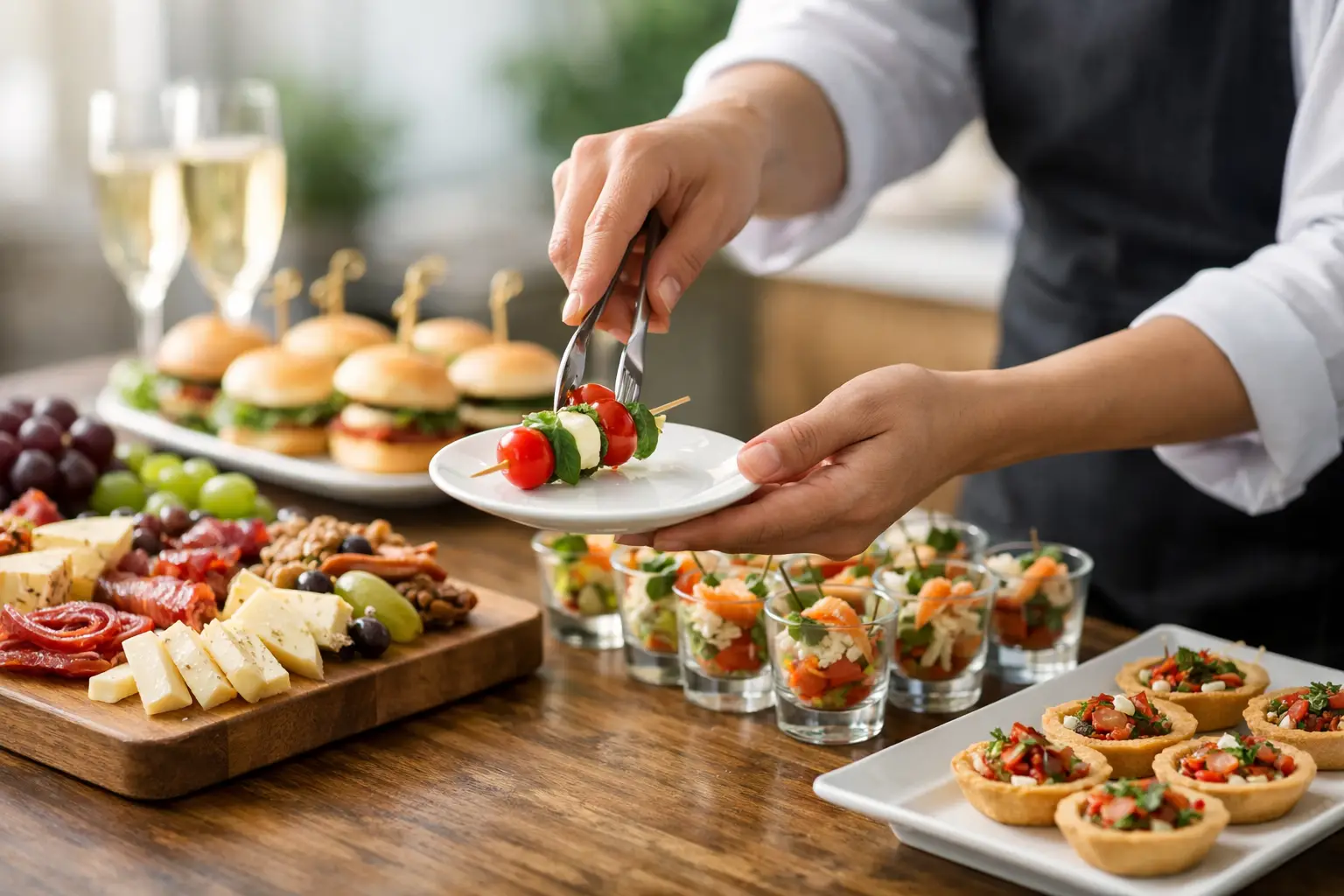
A good small gathering can fall apart fast when the food feels like an afterthought. You do not need a ballroom menu for a birthday dinner, office lunch, game-day get-together, or family celebration. You need small event food catering that shows up on time, feeds the room well, and makes hosting feel lighter instead of harder.
That usually means choosing food people actually want to eat, in portions that make sense, with enough variety to cover the group without turning ordering into a project. For most hosts, the sweet spot is familiar food made with care – the kind that lands somewhere between convenient and memorable.
What small event food catering should actually do
For a smaller group, catering has a different job than it does at a wedding or large corporate function. It is not there to impress with extra ceremony. It is there to keep people comfortable, keep the event moving, and spare the host from spending the whole time in the kitchen or running out for one more tray.
That is why menu style matters so much. Small event food catering should be easy to set out, easy to serve, and easy to enjoy while people talk, watch a game, open gifts, or move between conversations. If guests have to juggle sauce cups, balancing acts, and complicated plating, the food can become more work than hospitality.
The best catering choices also match the energy of the occasion. A casual graduation party wants something different than a client lunch. A family gathering can lean hearty and shareable. A work meeting usually benefits from cleaner portions and less mess. The food does not have to be fancy. It has to fit.
The smartest menus for small event food catering
When people think catering, they sometimes jump straight to trays of generic sandwiches or forgettable buffet pans. That works in some settings, but smaller events often do better with food that feels more social and more satisfying.
Pizza is one of the strongest examples. Not because it is the default, but because good pizza solves a lot of hosting problems at once. It serves groups efficiently, works across age ranges, and gives you room to mix classics with a few bolder options. A menu built around fresh-dough pizza, crisp salads, garlic knots, and a couple of hot appetizers can cover a room without feeling repetitive.
That mix matters. A few pies alone may handle hunger, but adding salads and shareables changes the spread from basic delivery to actual catering. It gives guests choices, helps balance heavier items, and makes the table look more intentional. You get comfort food, but you also get range.
There is a practical side to this too. Shareable catering works especially well for events where people eat in waves. Some guests arrive early. Others show up late. Kids may grab a slice right away while adults circle back after a drink or conversation. Food that holds well for a reasonable stretch and can be served casually tends to outperform meals that demand a narrow serving window.
How to order the right amount without overdoing it
One of the most common small-event mistakes is ordering like every guest will eat the same thing at the same time. That is rarely how smaller gatherings actually work.
If the event is meal-centered, plan for guests to treat the catering as their main food. If it is a party built around conversation, drinks, or a game, people usually graze more than they sit down for a full plate. That difference changes everything from how many pizzas you need to whether appetizers are enough support or a necessary backup.
Variety often matters more than sheer volume. A couple of crowd-pleasing standards, one or two specialty picks, a salad option, and a side item usually creates a better experience than ordering too much of one thing. You want enough food that nobody feels limited, but not so much that the table looks picked over in one area and untouched in another.
It also helps to think about the room. An office lunch with ten people may need neat portions and predictable favorites. A birthday gathering of fifteen close friends can handle more adventurous flavors. A family event with kids often benefits from keeping at least part of the order simple and familiar. Good catering is not just about quantity. It is about reading the group correctly.
Why crowd-friendly does not have to mean boring
Hosts sometimes play it too safe because they are afraid one unusual item will throw off the whole order. In reality, small events are often the best place to mix in something with personality.
That is especially true when the core menu is grounded in recognizable favorites. If most of the spread is built around pepperoni, cheese, salad, and shareable appetizers, adding one specialty pie or one more distinctive item gives guests something to talk about without making the whole menu feel risky.
That balance is where a tavern-style approach works well. You can keep the order approachable while still choosing food with some character – maybe a Buffalo Chicken pizza for a game watch, a Pepperoni Pickle pie for a more adventurous group, or meatballs and garlic knots to make the spread feel fuller. The food still feels easygoing, just not forgettable.
At The Declaration Tavern, that balance is part of the appeal. The menu is built for people who want handcrafted flavor without turning a casual gathering into a formal production.
Timing matters more than hosts expect
Even great food can feel off if the timing is wrong. Small event food catering should arrive when the event needs it, not when the kitchen happens to finish it.
For an office lunch, early is better than late, but too early can be a problem if hot food sits too long before anyone touches it. For house parties, delivery right as guests arrive is not always ideal either. The host is usually greeting people, managing drinks, and answering the door. In many cases, having the food arrive a little before the main eating window gives you breathing room.
Think through setup before ordering. Where will the food go? Do you have enough table space? Are plates, napkins, and serving utensils covered? Smaller catering orders can feel deceptively simple, which is why hosts sometimes forget the basics until the driver is at the door.
If beverages are part of the event, the food should make sense alongside them. Hearty appetizers, pizza, and tavern-friendly sides tend to pair naturally with cold drinks and casual social settings. That can make the whole event feel more cohesive, especially if the guest list includes a mix of people who want to snack, eat a full meal, or hang out over drinks.
What to look for in a catering provider
Not every restaurant that offers catering is built for small events. Some are geared toward large trays and high-volume orders. Others treat catering like a side service and leave hosts guessing about portions, pickup timing, or what travels well.
For smaller gatherings, clarity counts. You want a menu that is easy to understand, items that hold up well off-premise, and a team that can help you choose combinations that make sense for the group. Reliability matters just as much as flavor. If the order is incomplete, delayed, or packed poorly, the host feels it immediately.
This is where local neighborhood restaurants often have an edge. They tend to understand the kinds of events people in the area are actually planning – school celebrations, office lunches, family nights, playoff watch parties, birthday get-togethers. The best ones know how to make the food feel generous and relaxed, not mass-produced.
That neighborhood piece matters more than it gets credit for. People remember when catering feels personal. They notice when the food tastes like it came from a place that cares about what leaves the kitchen.
Keep the menu practical, then let it be good
The pressure around catering usually comes from trying to make the food do too much. It does not need to be the whole event. It just needs to carry its weight.
If the menu is easy to share, broad enough for the group, and made with real attention to flavor, you are already most of the way there. Fresh dough, solid ingredients, a few strong sides, and portions that fit the occasion will beat an overcomplicated spread almost every time.
Small event food catering works best when it feels natural in the room. People grab a slice, go back for knots, add a salad, settle in, and keep talking. That is usually the right outcome – food that makes everyone feel taken care of, without making the host work for it.
Leave a Reply