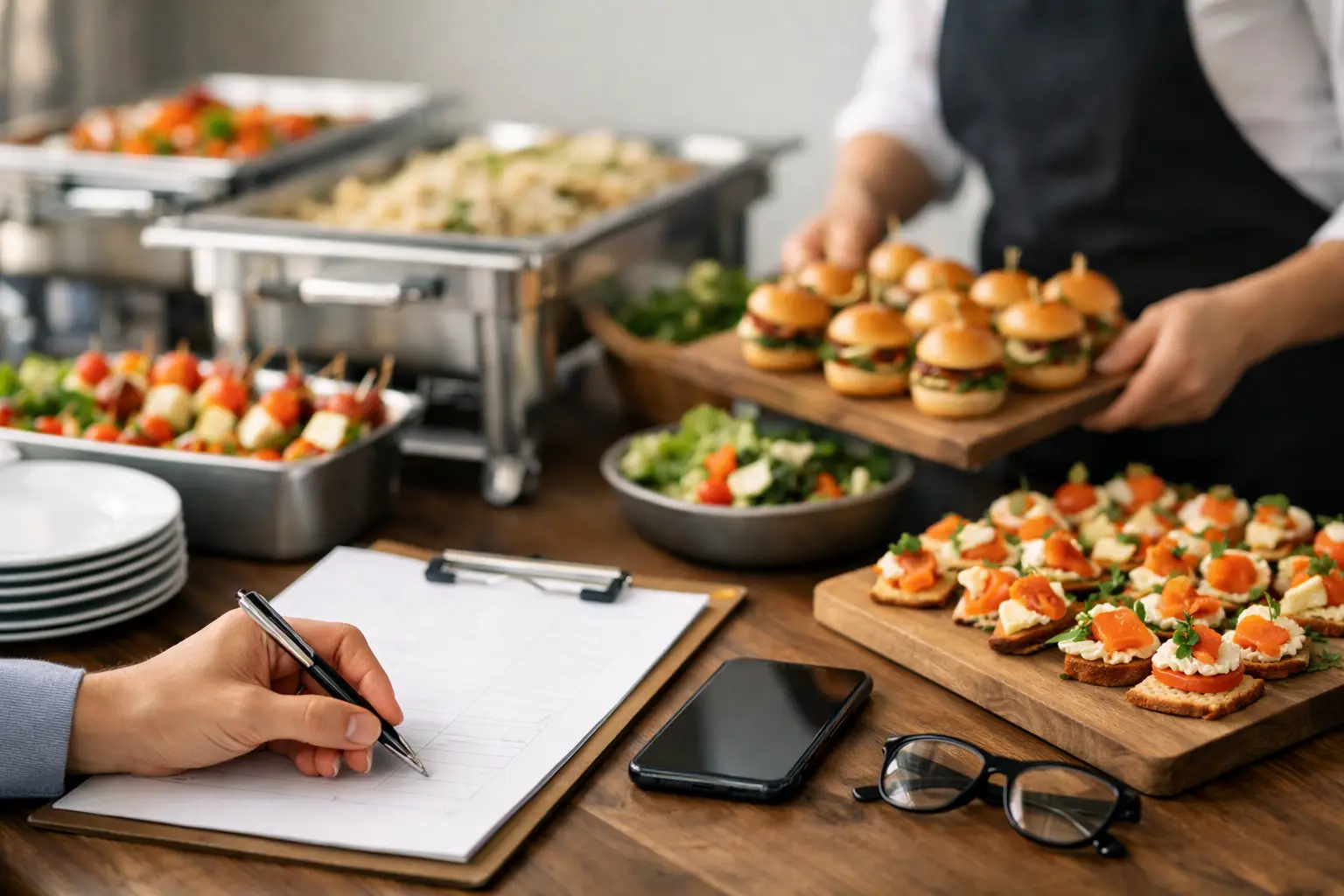
A catering order usually looks easy right up until you realize you need to feed 15, 25, or 50 people without running short, overspending, or ending up with food nobody touches. If you’re wondering how to plan restaurant catering, the best place to start is simple: know your group, know your timing, and order food that actually fits the occasion.
Restaurant catering works best when the menu feels easy to serve and easy to enjoy. That sounds obvious, but it’s where a lot of orders go sideways. A lunch for an office team needs speed and low mess. A family party can be a little more relaxed. A game-day gathering usually needs food people can grab between conversations, drinks, and a second trip to the TV.
How to plan restaurant catering for your event
Before you think about pizzas, trays, salads, or sides, get clear on the basics. Headcount comes first, but realistic headcount matters more than optimistic guesses. If 30 people were invited and 18 usually show up on time, that changes how much food you need and when you need it ready.
The type of event matters just as much. A staff lunch at noon has different expectations than a birthday party that runs all afternoon. For lunch, people usually want food ready right away and portions that are easy to manage. For longer gatherings, variety matters more because guests tend to snack in waves.
Your service style also shapes the order. If food is set out buffet-style, people often take smaller first portions and go back for more. If meals are packed or served once, portions need to feel complete the first time. That difference can affect how many large pizzas, salad trays, appetizer platters, or add-ons make sense.
One of the most common mistakes is ordering for the idea of the event instead of the people actually attending it. A group of coworkers in the middle of a workday may want familiar crowd-pleasers. A party with adventurous eaters might be the right place to add a specialty pie or two. Good catering planning is less about showing off and more about making sure the food gets eaten.
Start with guest count and appetite
Not every group eats the same way. A kids’ birthday party, a teacher appreciation lunch, a fantasy football draft, and a post-game family get-together all have different appetites. Time of day plays a role too. People eat heavier at dinner than at a mid-afternoon event, and food ordered alongside drinks tends to disappear faster than food served during a formal meal.
If your event lands near a regular meal time, plan for fuller portions. If it’s between lunch and dinner, lighter quantities may be enough. You should also think about your mix of guests. A party with mostly adults will usually move through pizza and appetizers faster than one with younger kids and grandparents.
This is where a restaurant’s catering team can help. A place that handles group orders regularly can give better guidance than a generic online calculator because they know how their portions work in real life. Fresh dough pizza, garlic knots, salads, and meatballs all fill people up differently. A tray that sounds small on paper may go further than expected, while a favorite item can disappear in minutes.
Pick a menu that travels well
The best catering menus are built around foods that still taste great after the ride from the restaurant to your event. That doesn’t mean boring. It means choosing items that hold their texture, temperature, and flavor without needing extra work once they arrive.
Pizza is a strong catering choice because it’s easy to portion, easy to share, and works for a range of occasions. It can cover both classic eaters and guests who want something with more personality. Salads help round out the table and give people a lighter option. Garlic knots, quesadillas, and meatball appetizers can fill in the gaps, especially when you want guests to have something to snack on before everyone settles in.
Variety matters, but too much variety can make the order less useful. If you order six completely different things for a small group, you can end up with a scattered meal instead of one that feels satisfying. For most events, a mix of familiar favorites plus one or two more distinctive options tends to work better. Think pepperoni or cheese for broad appeal, then add a specialty selection for guests who want something beyond the basics.
If you know you have dietary needs in the group, deal with those early. Waiting until the day of the event to figure out vegetarian options or ingredient concerns creates stress you do not need. A well-planned order makes sure everyone has something they can actually eat, not just a side salad left at the end of the table.
Balance portions instead of chasing extras
When people plan catering, they often focus on adding more items instead of building a balanced order. More is not always better. The better question is whether the mix covers the way people will eat.
A solid catering spread usually has a main focus, a couple of supporting items, and enough quantity to keep the table from looking picked over halfway through the event. If pizza is the centerpiece, sides should support it, not compete with it. A fresh salad can offset richer pies. Garlic knots add an easy shareable item. Meatballs or appetizers can give the spread a little more weight if you’re feeding a hungry crowd.
It also helps to think in rounds. What gets eaten first? What keeps people satisfied later? Appetizers often disappear immediately, while pizza carries the bulk of the meal. Salads may go slower, but they make the entire order feel more complete. That balance matters more than stacking on random add-ons.
Timing matters more than people think
A great catering order can still feel off if the timing is wrong. Food that arrives too early can lose heat and freshness. Food that arrives too late can leave guests waiting, which usually feels longer when everyone is hungry.
When deciding pickup or delivery timing, work backward from when people will actually eat, not from when the event starts. If guests arrive at 1:00 but food is not being served until 1:30, that changes the plan. If it’s a casual open-house style event, you may want food arriving in stages or timed closer to the heaviest guest traffic.
Large orders should be placed with enough notice to give the restaurant room to prepare them well. That’s especially true on weekends, game days, holidays, and busy lunch periods. Last-minute catering can work sometimes, but more lead time usually means better menu availability and a smoother handoff.
If you’re picking up the order yourself, be realistic about transport. Make sure you have room in the car, a direct route, and someone available to help unload if the order is large. If you’re hosting at home or at the office, clear a serving area before the food arrives. Catering goes better when you are not moving mail, decorations, or paperwork off the table at the last second.
Keep the budget practical
Good catering does not have to mean over-ordering. In fact, one of the easiest ways to stay on budget is to match the order to the event instead of treating every gathering like a full banquet.
If the goal is an office lunch, put the money into enough main food and skip filler that nobody remembers. If the goal is a relaxed party, a mix of pizzas, salads, and a few appetizers may do the job better than an oversized spread with too many leftovers. There is always a trade-off between variety and quantity, so decide which one matters more for your group.
Beverages can affect the budget too. If your event already has drinks covered, keep the catering order focused on food. If not, think about whether you need a fuller package. The right answer depends on the setting and how long guests will stay.
At a neighborhood spot like The Declaration Tavern, catering tends to work best when it feels generous, easy, and built for real groups rather than formal event math. That usually means handcrafted food people recognize, a few strong choices instead of endless ones, and enough flexibility to fit everything from office lunches to family get-togethers.
Don’t forget setup and serving
Even the best order needs a little planning once it arrives. Ask yourself where the food will go, how guests will move through it, and whether you have what you need to serve it. Plates, napkins, utensils, and serving tools are easy to forget until everybody is standing around waiting.
If you’re feeding a larger group, give people room to circulate. Put pizzas and hot items where they are easy to reach, and keep salads or sides nearby so the meal feels connected. Small setup choices make a big difference in how organized the event feels.
You should also think about leftovers before the event starts. If you expect extra food, have containers or a plan ready. Leftovers can be a bonus, but only if they are easy to pack up and store.
The easiest way to get catering right is to think less like a host trying to impress and more like a host trying to make everybody comfortable. Order food that suits the group, give yourself enough time, and keep the menu easy to enjoy. When the food is hot, the portions make sense, and nobody has to guess what to eat, the whole event feels better.
Leave a Reply