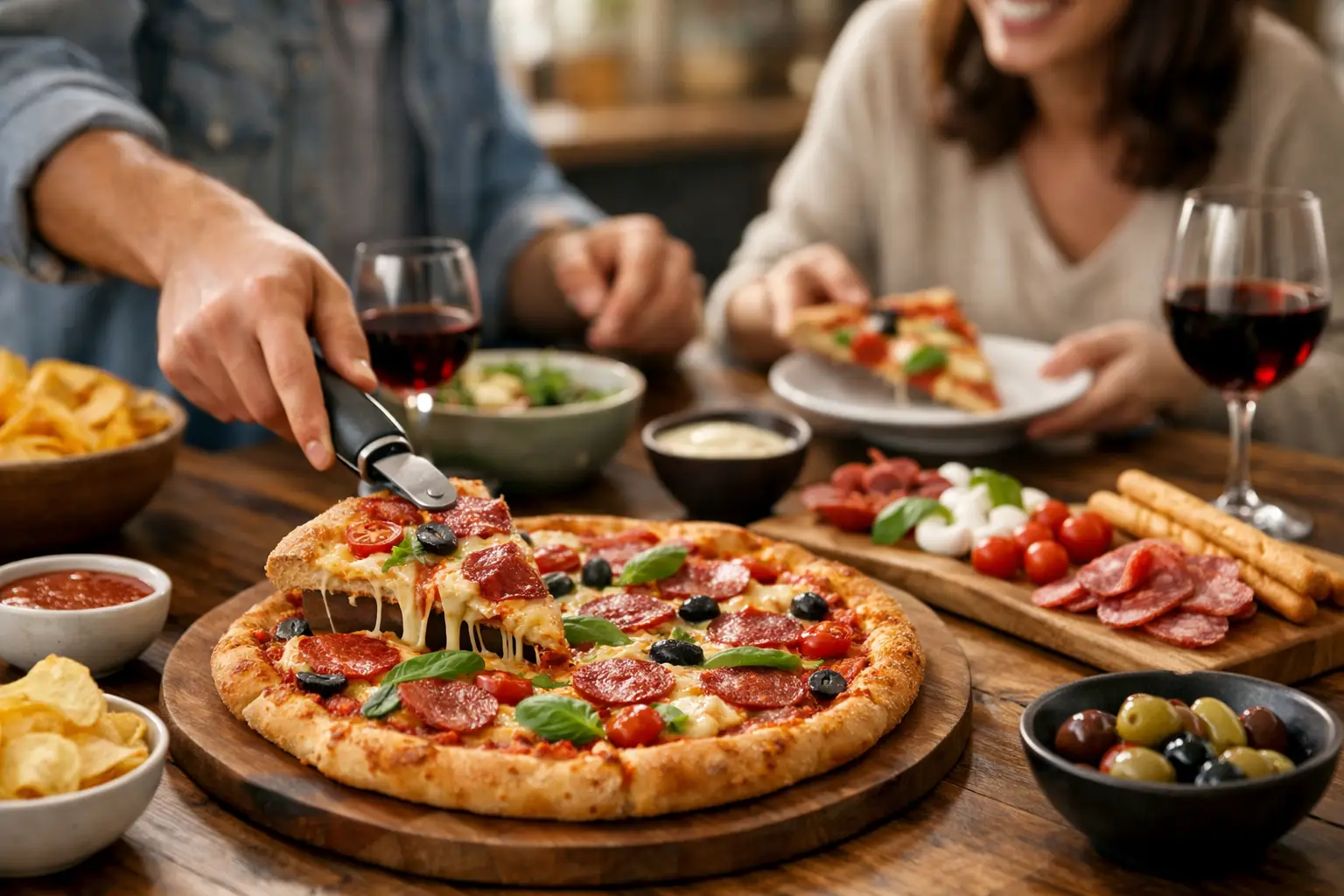
Some nights fall apart before anyone eats. One person wants classic pepperoni, someone else is asking for something spicy, the kids are already hungry, and nobody has thought about drinks. If you have ever wondered how to plan pizza night without turning it into a group text debate, the answer is simple – make a few smart decisions early, then keep the rest easy.
Pizza night works best when it feels relaxed, not overproduced. The goal is not to impress people with a complicated plan. It is to make sure everyone gets good food, enough to eat, and a setting that actually lets people enjoy being together. Whether you are feeding family on a weeknight, inviting friends over for the game, or pulling together a casual get-together, a little structure goes a long way.
How to Plan Pizza Night Without Overthinking It
Start with the size of the group, because that shapes every other choice. A pizza night for four people is very different from one for twelve. Smaller groups can order more adventurous combinations because everyone is likely to share. Bigger groups usually need a stronger balance between crowd-pleasers and a couple of specialty picks.
Think about appetite, too. If pizza is the whole meal, people will eat more than they do at a party with snacks and dessert already on the table. Adults usually land around two to three slices each, but that depends on the style of pizza, the time of day, and what else you are serving. If your group includes teenagers, game-night regulars, or anyone showing up hungry after work, plan on the higher end.
The easiest mistake is under-ordering because it sounds more efficient. In practice, a little extra pizza is rarely a problem. Leftovers are a lot easier to handle than a room full of people hoping another pie shows up.
Build a Menu That Covers the Table
A good pizza night menu has range. You do not need a huge spread, but you do want enough variety that nobody feels boxed into one option. For most groups, that means starting with one familiar pie, adding one or two with more personality, and rounding things out with something on the lighter side.
Classic choices still carry the night. Cheese, pepperoni, and sausage are popular for a reason. They are dependable, easy to share, and usually the first recommendation if you are feeding a mixed crowd. Then you can layer in a specialty pizza for people who want something beyond standard delivery fare.
This is where knowing your group matters. A buffalo chicken pie brings heat and richness. A Hawaiian-style option gives you that sweet-savory contrast. Something with pickles, hot honey, or a sharper cheese blend can be a hit with the right crowd, but not every table wants that as the main event. If half your guests are adventurous and half want the basics, split the order accordingly instead of trying to make one pizza do both jobs.
Sides help more than people think. A salad cuts through the richness and makes the meal feel more complete. Garlic knots or a meatball appetizer can buy you time if guests arrive before the pizzas do. If you are hosting a more casual group, an extra side can also prevent the first pie from disappearing in sixty seconds.
How Many Pizzas to Order for Pizza Night
This is usually the biggest planning question, and the answer depends on more than headcount. If you are serving adults only and pizza is the main meal, a safe rule is one large pizza for every three to four people. If you are adding appetizers, salad, or dessert, you may be able to stretch that a little further.
For families, it gets more flexible. Younger kids often eat one slice, maybe two. Older kids can eat like adults. A family pizza night with two adults and two small children might be fine with two pizzas if you are serving sides. The same household a few years later may need three.
If the group is split between cautious eaters and big appetites, order for the appetite, not the politeness. People often say they are fine with one or two slices, then reach for a third once the good pizza hits the table.
A practical mix for a medium group of eight might be two classic pies, one specialty pie, and one shared starter. That gives people options without turning the order into a math problem.
Don’t Forget Drinks
Pizza night is better when the drinks match the food instead of feeling like an afterthought. Cold beer is an easy fit, especially for pepperoni, sausage, and other savory pies. If your crowd leans toward cocktails or whiskey, keep the flavors straightforward. Pizza already brings plenty to the table, so the drink does not need to compete with it.
A bourbon pour can work surprisingly well with a richer pizza, especially one with smoky meat, spice, or a little sweetness. For a lighter pie or a meal with salad in the mix, sparkling water, soda, iced tea, or a crisp beer usually makes more sense. If kids or nondrinkers are part of the group, make sure they have something cold and ready before the food arrives. It is a small hospitality move, but it changes the pace of the evening.
At a place like The Declaration Tavern, that food-and-drink balance is part of the appeal. Pizza and cold drinks belong together, and when both are done well, the whole night feels easier.
Timing Matters More Than Decoration
You do not need a themed setup to make pizza night feel put together. You need good timing. Decide when people are arriving, when you want food on the table, and whether everyone is eating right away or lingering first with drinks and appetizers.
For a family dinner, the plan can be simple. Order at the time that prevents everyone from getting too hungry and impatient. For a group of friends, leave a little room up front for conversation. Pizza arriving fifteen to twenty minutes after guests settle in usually works better than trying to have every box opened the second the doorbell rings.
If you are hosting at home, clear enough table space before the food arrives. Pizza night gets crowded fast once boxes, plates, drinks, napkins, and sides all hit the same surface. You do not need a formal table setting, but people should have room to eat without balancing a plate on their lap unless that is truly the vibe.
Make Room for Different Tastes
The best pizza nights account for preferences without making them the entire focus. If someone is vegetarian, order at least one pizza they can actually enjoy, not just a picked-over cheese pie after everyone else has gone through it. If someone avoids spicy food, do not make every specialty option a heat test.
This does not mean customizing every order to the point where nobody shares anything. It just means thinking in terms of the group instead of your own favorite toppings. A good host reads the table. If your guests love trying inventive flavors, lean into that. If they want familiar, comforting food after a long week, keep it classic.
There is always a trade-off between variety and simplicity. More choices can make people happy, but too many can complicate ordering and slow everything down. Usually, three or four strong options beat six barely necessary ones.
Dine In, Takeout, or Delivery?
Part of how to plan pizza night is deciding what kind of night you actually want. Dine-in works well when the group wants to stay out, enjoy drinks, and let someone else handle the details. It is a strong choice for date night, meeting friends, or any evening where atmosphere matters as much as dinner.
Takeout is often the sweet spot for home gatherings. You get the quality and variety you want without cooking, while still keeping things comfortable and casual. Delivery is the easiest option when convenience matters most, especially on busy weeknights or when nobody wants to leave the house.
There is no single right answer. It depends on whether you want the energy of a neighborhood tavern, the comfort of your own living room, or the lowest-effort path from workday to dinner.
Keep Dessert and Cleanup Realistic
Not every pizza night needs dessert. Sometimes the best ending is one more drink, a few leftover slices for tomorrow, and no extra work. If you do want something sweet, keep it easy. The meal is already the centerpiece.
Cleanup should be just as low-stress. Set out napkins, plates, and a trash spot before people start eating. If you are serving at home, this is one of those invisible details that makes the night feel smoother. Nobody notices when it is done well, but everyone notices when there is nowhere to put anything.
Pizza night does not need a big production to feel memorable. It just needs good food, enough of it, and a plan that fits the people around your table. When you keep the menu balanced, the timing smart, and the atmosphere easy, the whole night starts to take care of itself.
Leave a Reply