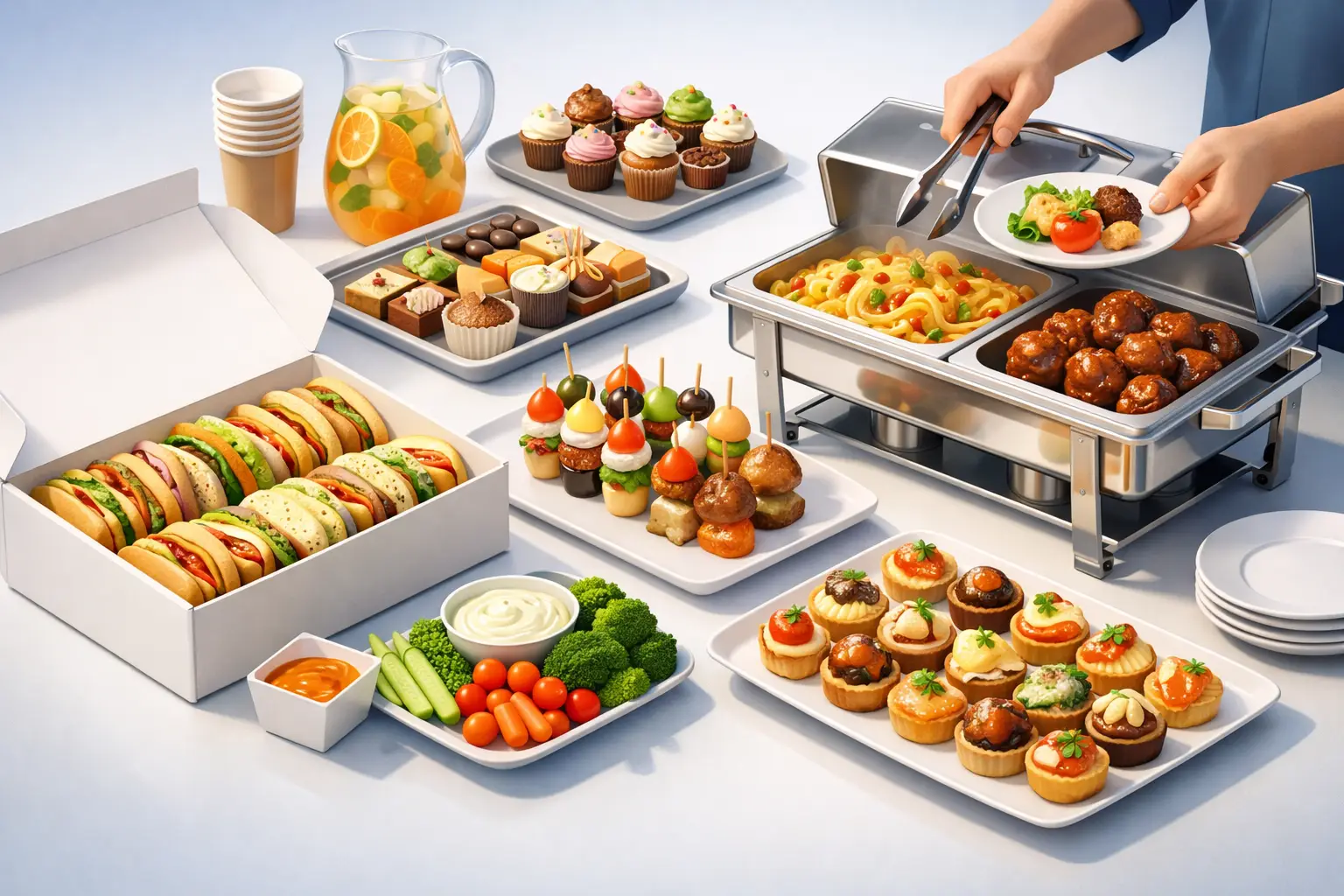
A good catering order usually comes down to one question: will everyone actually want to eat it? When you’re feeding a work crew, hosting a family get-together, or putting together food for a neighborhood event, catering works best when it feels generous, easy to serve, and easy to enjoy.
That is why pizza, shareable starters, and a few well-chosen sides keep showing up at successful group meals. People know what they like, but they also want something that feels a little better than the usual boxed lunch or forgettable tray setup. Fresh dough, flavorful toppings, crisp salads, and hot appetizers can turn a basic meal into something people talk about after the plates are cleared.
What good catering really needs to do
The first job of catering is not to be flashy. It is to remove stress. You want food that arrives on time, stays appealing through a full round of serving, and gives different people something they are excited to eat.
That sounds simple, but group meals get complicated fast. Office lunches need speed and convenience. Birthday parties need food that keeps people moving and mingling. Family gatherings usually need a mix of familiar favorites and a few crowd-pleasers for more adventurous eaters. The right catering setup handles all of that without making the host feel like a short-order cook.
Portability matters. So does variety. Food should hold up well, serve cleanly, and fit the tone of the event. A casual team lunch can feel more thoughtful with handcrafted pizza and fresh salads. A game-day gathering feels more complete with garlic knots, meatballs, and cold drinks alongside the main order. The best catering is not complicated. It is just well chosen.
Why pizza catering works for groups
Pizza earns its place in catering because it solves a lot of problems at once. It is easy to share, simple to portion, and flexible enough to cover both classic tastes and bolder cravings. It also fits almost any setting, from office conference rooms to backyard parties.
There is a practical side to that. Pizza does not need much setup, and it keeps service moving. People can grab a slice, add a salad or appetizer, and get back to the conversation. That matters more than people think, especially at events where food is part of the gathering, not the whole agenda.
Then there is the variety factor. A catering order built around pizza can stay comfortably familiar with cheese and pepperoni, while still making room for specialty pies that add personality to the table. A Buffalo Chicken pizza brings heat and richness. A Luau pie gives you that sweet-savory contrast people either specifically want or end up loving once they try it. Even something like Pepperoni Pickle can work in the right crowd because it gives the spread a little energy.
The trade-off is that pizza catering only works as well as the quality behind it. If the crust is flat, the sauce tastes generic, or the toppings feel like an afterthought, the meal turns into filler. Fresh dough daily and balanced toppings make a big difference when the food is meant to carry the event.
Building a catering order that feels complete
A strong catering order usually starts with the main event, then fills in around it. Pizza may be the anchor, but the meal feels more complete when you add a few supporting pieces that bring contrast in texture and flavor.
Salads do a lot of quiet work in a group order. They lighten the table, give guests another option, and help the whole meal feel more balanced. If you are feeding a mixed group, salads also help cover the people who want something fresh alongside a slice or two instead of a heavy plate.
Appetizers matter for similar reasons. Garlic knots are easy, familiar, and great for grazing. Meatballs bring something warmer and heartier. Quesadillas can add another angle for groups that want a little variety beyond pizza alone. You do not need a huge spread, but a couple of shareable starters can make the catering feel thoughtful instead of one-note.
Dessert is optional depending on the event. Drinks are not. Even if the food is the focus, people notice when beverages feel like an afterthought. For some gatherings, soft drinks keep it simple. For others, a tavern-style meal feels more complete when cold drinks are part of the plan. It depends on the setting, the guest list, and whether the event is more workday functional or weekend social.
How much catering food should you order?
This is where hosts tend to overthink or underorder. The right amount depends on the time of day, the mix of guests, and what else is being served.
If catering is replacing a full lunch or dinner, people generally eat more than they do at a quick snack-style event. If there are appetizers, salads, and several pizza options, the meal stretches further because guests build a plate instead of reaching for slice after slice. If the event includes drinks and a longer social window, food may need to hold up across more rounds.
Kids’ parties, office lunches, and adult social gatherings all behave differently. Family events often have guests who want seconds and leftovers. Workplace meetings can be more measured unless the meal happens late in the day and people arrive hungry. That is why it helps to think in terms of the full table, not just pizza count.
When in doubt, variety is usually a better move than excess. A balanced catering order with a few pie styles, one or two appetizers, and a salad option tends to satisfy more people than a mountain of the same thing.
Choosing catering for different occasions
Not every group event needs the same food strategy. Good catering matches the room.
For office lunches, reliability matters most. You want food that arrives hot, serves quickly, and appeals to a wide range of tastes. Classic pizzas, a specialty pie or two, and a salad usually cover the basics without overcomplicating the order.
For family parties, comfort and abundance carry more weight. People want food that feels familiar, but they also appreciate something that stands out. This is where a mix of crowd-pleasing pies and a few signature flavors can work especially well.
For game days or casual social gatherings, the meal can lean more tavern-style. Pizza, garlic knots, meatballs, and drinks create a spread that feels relaxed and easy to hang around. The food does not need to be formal. It just needs to be good enough that guests keep going back for another plate.
For school or community events, simplicity often wins. Easy-to-serve items, broad appeal, and clean packaging make a difference when volunteers or organizers are handling setup.
What to look for in a local catering partner
Convenience matters, but it is not the whole story. The best local catering comes from places that already understand how people in the neighborhood actually gather and eat.
That means consistent food, clear ordering, and a menu that works for both quick meals and group occasions. It also helps when the food feels like it came from a real kitchen, not a system. House-made dough, a solid red sauce, and thoughtfully built pies show up differently on the table than generic chain catering. People can taste the difference, even if they do not describe it that way.
Hospitality matters too. A good catering experience should feel approachable from the first call or order to the moment the food is served. Not stiff. Not fussy. Just organized, helpful, and dependable.
That is part of why neighborhood tavern-style catering can hit the sweet spot. It brings the comfort of casual food, the quality of a handcrafted menu, and the kind of straightforward service people want when they are feeding a group. At a place like The Declaration Tavern, that means fresh-dough pizza, shareable starters, and the kind of cold-drink energy that already makes a local night out feel easy.
The best catering feels like a good host planned it
People rarely remember catering because it was complicated. They remember it because it was hot, flavorful, and fit the moment. They remember that there was enough food, enough variety, and at least one thing they wanted to go back for.
That is the real goal. Pick food that feels generous, travels well, and gives your guests both comfort and choice. When catering does that, the event feels easier on everyone, including the person who had to make the call.
Leave a Reply